Arkham investigates wallets.
BitGuard understands yours.
Arkham is built for entity intelligence: public wallet investigation, labeling, deanonymization workflows, Intel Exchange, and blockchain forensics. BitGuard is built for personal finance: your own holdings, your CEX accounts, your wallet balances, and Guardian AI that answers in your context. Different use case entirely.
Arkham is for investigating the chain.
BitGuard is for operating your portfolio.
Arkham looks outward: who owns this wallet, what entity is behind this address, what public activity matters? BitGuard looks inward: what do I hold, why did it move, what deserves my attention today?
The center of the product is your holdings.
BitGuard combines wallets, CEX accounts, CSV imports, and manual entries so Guardian AI can explain what is happening to your actual exposure. Arkham is stronger when the target is someone else's public wallet.
Personal portfolios rarely live only on-chain.
BitGuard supports centralized exchange aggregation and CSV fallback because real users keep funds across exchanges and wallets. Arkham is strongest when the trail is public on-chain.
Personal finance context, not public investigation.
BitGuard is designed to help you monitor and understand your own assets. It does not position itself as an OSINT or deanonymization product.
Ask about your holdings, P&L, alerts, and market context.
Guardian AI sits above your portfolio and live data. The point is not who owns a wallet; the point is what today's market means for your balance, risk, and attention.
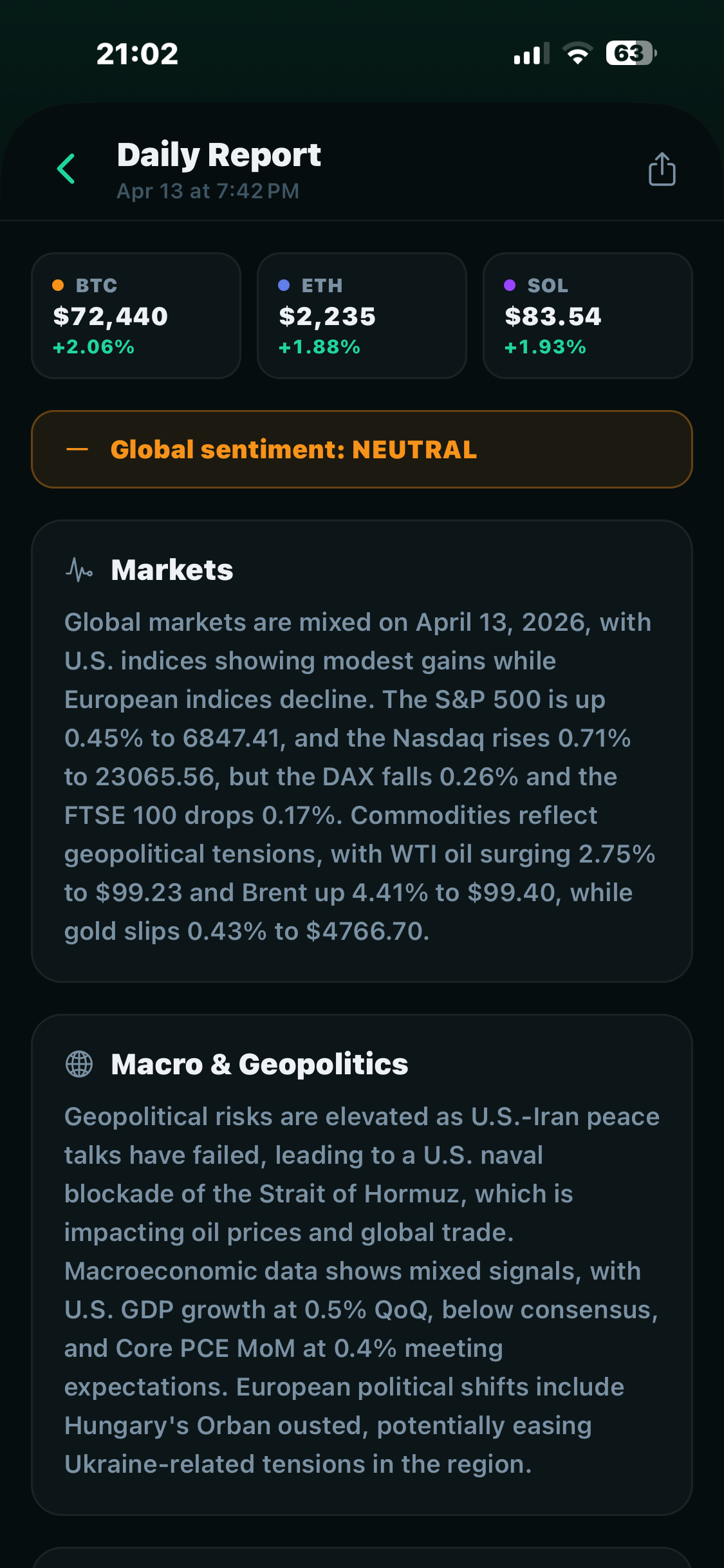
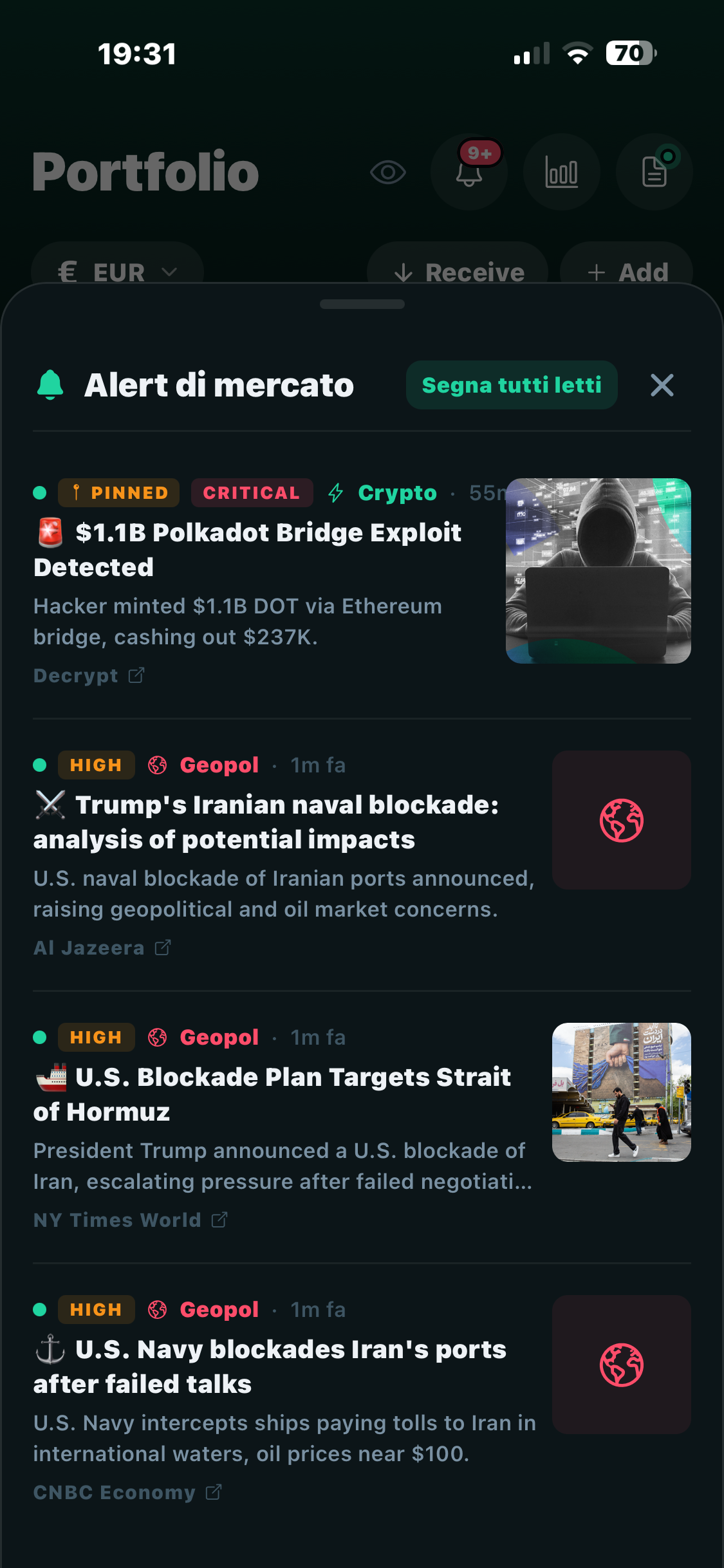
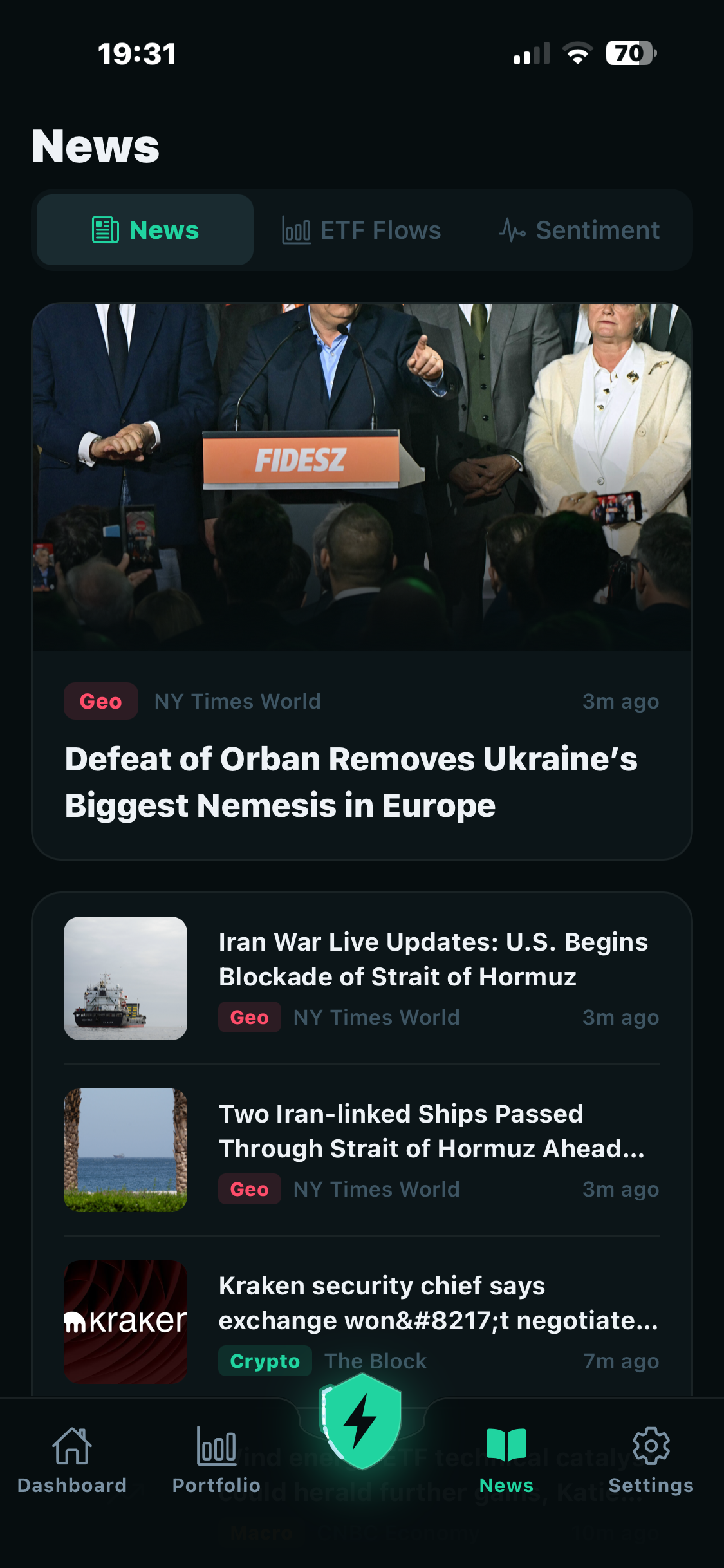
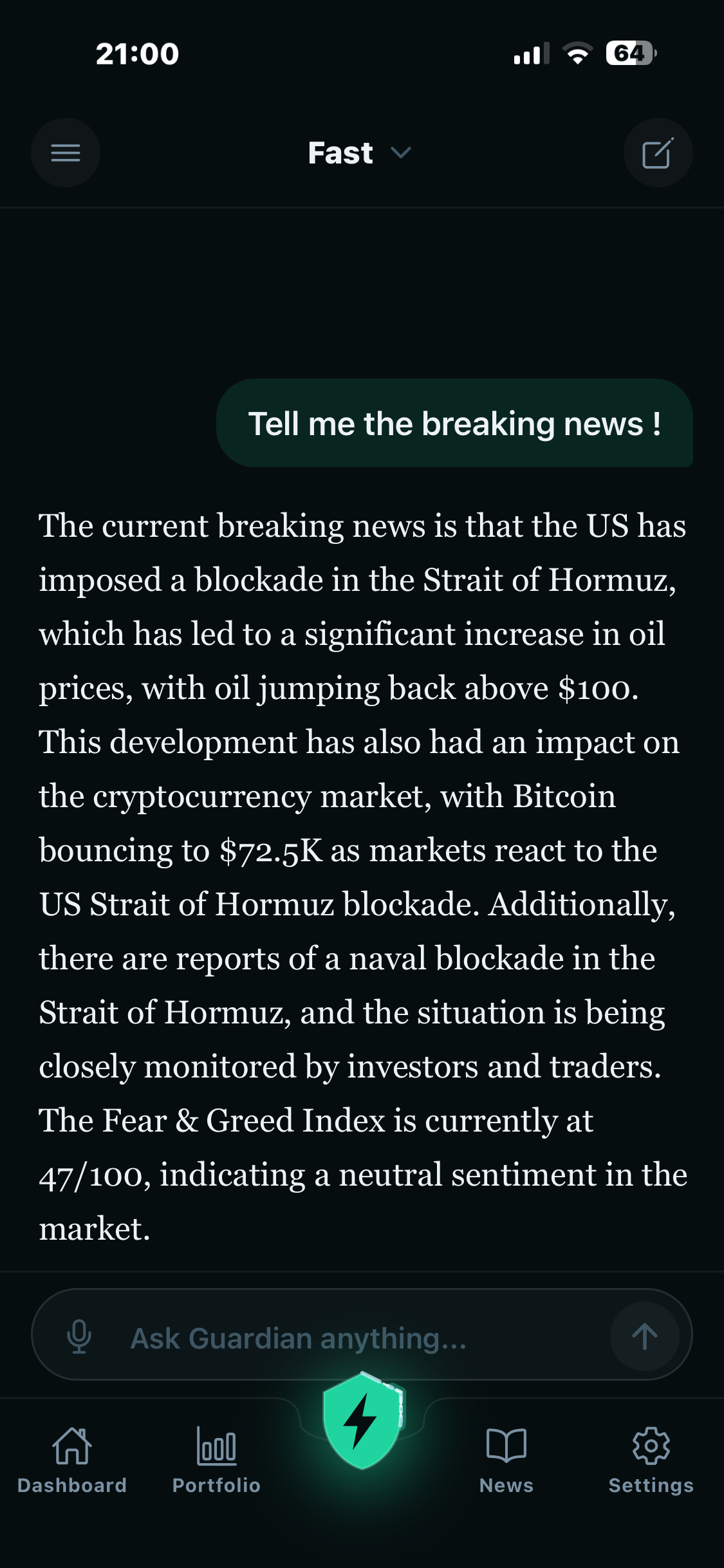
Plus the tracker fundamentals — done right.
BitGuard keeps your own portfolio sources connected so AI explanations have grounded context.
- Read-only CEX connectionsAdd supported exchanges with read-only API keys, then combine those balances with on-chain wallet data.
- CSV import for non-API sourcesIf an exchange is unsupported, blocked, or historical, upload the trade CSV and reconcile it against the rest of the portfolio.
- Reconcile Wizard Phase 4CDetects discrepancies between expected and actual balances, then offers concrete resolution actions.
- Backward portfolio chart Phase 4EReconstructs history from connected wallets, CEX sources, CSV files, and manual entries.
The differences that matter.
Arkham wins when the job is investigation. BitGuard wins when the job is understanding your own portfolio.
| Capability | Arkham | BitGuard |
|---|---|---|
| Personal portfolio tracking across CEX + wallets | ⚠ on-chain investigation first | ✓ Built around your own holdings |
| CEX integration for real balances | — not the core workflow | ✓ read-only exchange connections + CSV |
| Conversational AI about your positions | — investigation workflow, not P&L companion | ✓ Guardian answers with portfolio context |
| Privacy-respecting personal finance framing | ⚠ public intelligence product | ✓ no data resale policy, EU-hosted backend |
| Mobile-first alerts and daily brief | ⚠ research workflow | ✓ critical alerts + morning brief |
| Public wallet investigation | ✓ Core strength | — not built for investigating others |
| Entity labeling and deanonymization workflows | ✓ Core strength | — not a deanonymization platform |
| Intel Exchange marketplace | ✓ Arkham-specific ecosystem | — no marketplace |
| OSINT-style blockchain research | ✓ Strong fit | — personal portfolio only |
| Blockchain forensics | ✓ Investigation category | — not the product category |
Investigation tool or portfolio companion?
Pick the job first.
The right answer depends on whether you are researching other wallets or managing your own exposure.
Arkham
- Best for: entity intelligence, wallet investigation, blockchain research
- Strong when public address activity and attribution are the work product
- Includes Arkham-specific ecosystem features such as ARKM and Intel Exchange
- Not designed primarily around CEX + wallet personal P&L workflows
BitGuard
- Best for: personal portfolio intelligence
- Free at launch: Guardian AI + Daily Report + Smart Alerts included
- Founder lifetime: first 500 paid seats lock Pro EUR 9.99/mo or Elite EUR 24.99/mo
- Read-only CEX integrations, wallet tracking, CSV import, manual entries, mobile-first UX
Moving from investigation to personal context.
You do not have to stop using Arkham. Keep it for public research; add BitGuard when the question becomes what your own portfolio is doing.
Frequently asked questions.
Is BitGuard a replacement for Arkham?
No. Arkham is better for public wallet investigation, entity intelligence, OSINT-style blockchain research, and forensics. BitGuard is for personal portfolio tracking and AI explanations about your own holdings.
What can BitGuard do that Arkham is not focused on?
BitGuard aggregates CEX accounts, wallets, CSV imports, and manual transactions, then lets Guardian AI answer questions about your actual portfolio, P&L, risk, and alerts.
Where does Arkham clearly win?
Public wallet investigation, entity labeling, deanonymization workflows, Intel Exchange, and blockchain forensics. If your job is investigating public addresses, Arkham is the right category.
Why call BitGuard privacy-respecting?
BitGuard is framed around your own portfolio context, not investigating other people. It also publishes a no-data-resale policy and uses an EU-hosted backend.
Can I use both Arkham and BitGuard?
Yes. Arkham can stay your investigation tool. BitGuard becomes the daily operating layer for your own holdings and portfolio-aware AI questions.
What happens after the 500 founder seats are gone?
Standard pricing applies: Pro EUR 14.99/mo or Elite EUR 39.99/mo. The 500 lifetime seats do not reset, refresh, or reopen. Free launch access is separate from the founder lifetime discount.
What languages does BitGuard support?
Five, natively: Italian, English, Spanish, French, German. The interface, Daily Report, and Guardian AI all switch at the user level.
Is BitGuard available on Android?
iOS at launch in mid-June 2026. Android is on the roadmap for Q3 2026.
Personal portfolio software should feel different from forensics.
BitGuard intentionally avoids the public-investigation category and focuses on private portfolio context.
Your wallet addresses and transaction history are never sold, shared, or used to train external models. Not a data brokerage.
Railway EU (Amsterdam). GDPR-native by default, not as a regional adapter. Your data doesn't cross the Atlantic.
Real human at the other end. Not a ticket queue, not an offshore script reader.
Free at launch. Paid post-launch. Either way, zero ads, zero upsell popups, zero "premium locked" overlays inside the app.
Italian, English, Spanish, French, German — interface, Daily Report, and Guardian. Not Google-translated.
Designed with EU regulatory constraints in mind. Guardian's outputs carry a disclaimer; alerts use descriptive language only — no buy/sell prescriptions.
Weekly build log, public roadmap, kill criteria documented. You see what's being built and why.
See section 02 — we list where Arkham wins and where BitGuard wins.
Investigate public wallets in Arkham. Understand yours in BitGuard.
Guardian AI reads your holdings, live market context, and portfolio movements. Free at launch, no card, no trial countdown.