Nansen tracks smart money.
BitGuard understands your money.
Nansen is excellent at institutional on-chain analytics: wallet labels, smart-money flows, whale tracking, and market research. BitGuard is different: personal portfolio intelligence for your own holdings, with Guardian AI, CEX + wallet + CSV aggregation, daily briefings, and mobile-first context. We do not compete with Nansen on raw wallet-label depth.
Nansen is market intelligence.
BitGuard is personal portfolio intelligence.
Use Nansen when your job is studying wallets, flows, and entities. Use BitGuard when your daily workflow starts with your own positions, your own P&L, and questions about what moved your portfolio.
Ask questions about the positions you actually hold.
Guardian AI is grounded in your portfolio context and live market data. It is built for questions like: what moved my portfolio today, which position added the most risk, why is my P&L diverging from BTC, or what changed in ETF flows around my holdings.
CEX, wallets, manual entries, and CSV in one place.
BitGuard is designed around messy real portfolios: centralized exchanges, on-chain wallets, historical CSV exports, and manual transactions. Nansen is stronger for public wallet intelligence; BitGuard is stronger for bringing your own holdings into one operational view.
Brief, alert, ask, decide what deserves attention.
The product is built around an individual trader checking a phone, not an analyst team living in dashboards. Morning brief, critical alerts, and conversational follow-up keep the workflow compact.
Not a replacement for institutional whale research.
Nansen wins on smart-money labels, historical entity analytics, and raw on-chain research depth. BitGuard wins when the problem is understanding and monitoring your own portfolio without paying for an institutional research terminal.
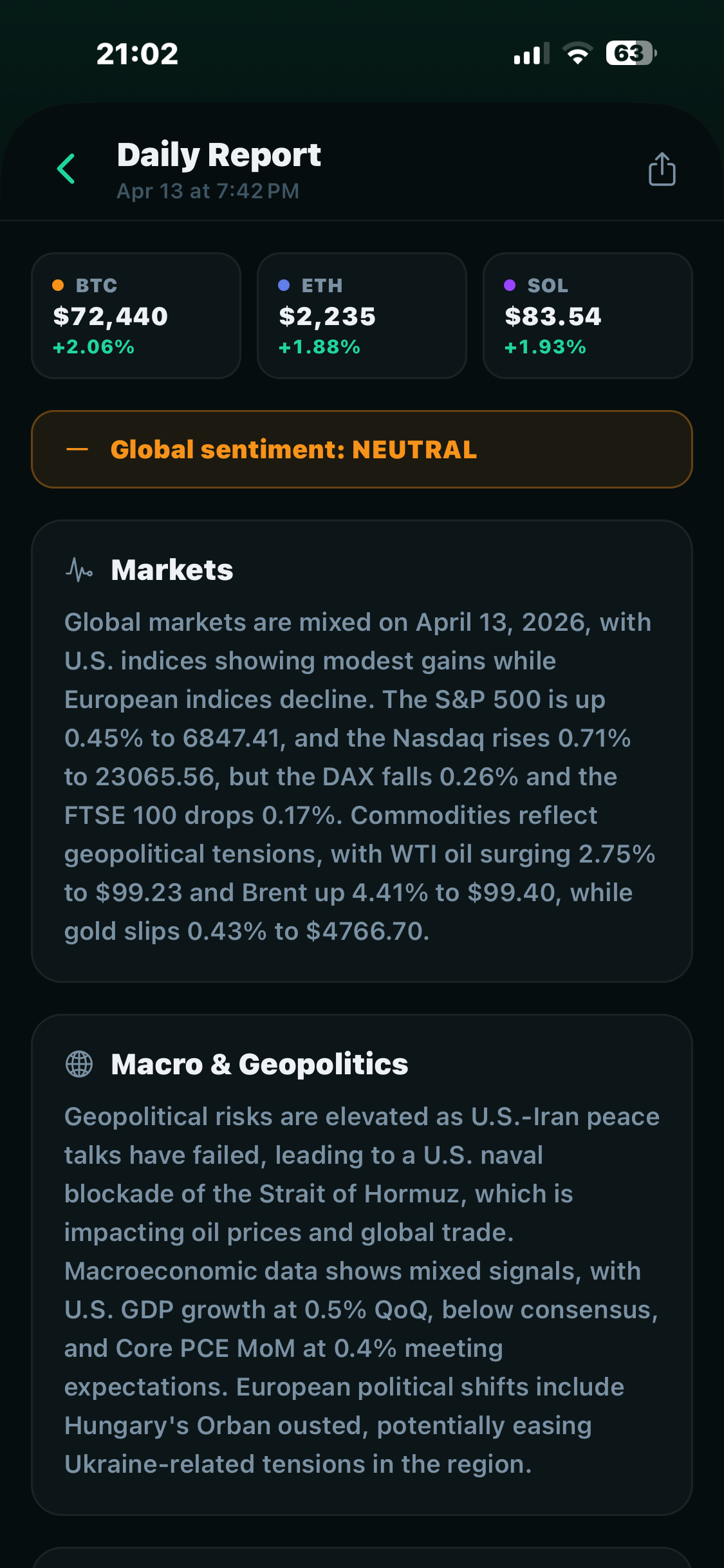
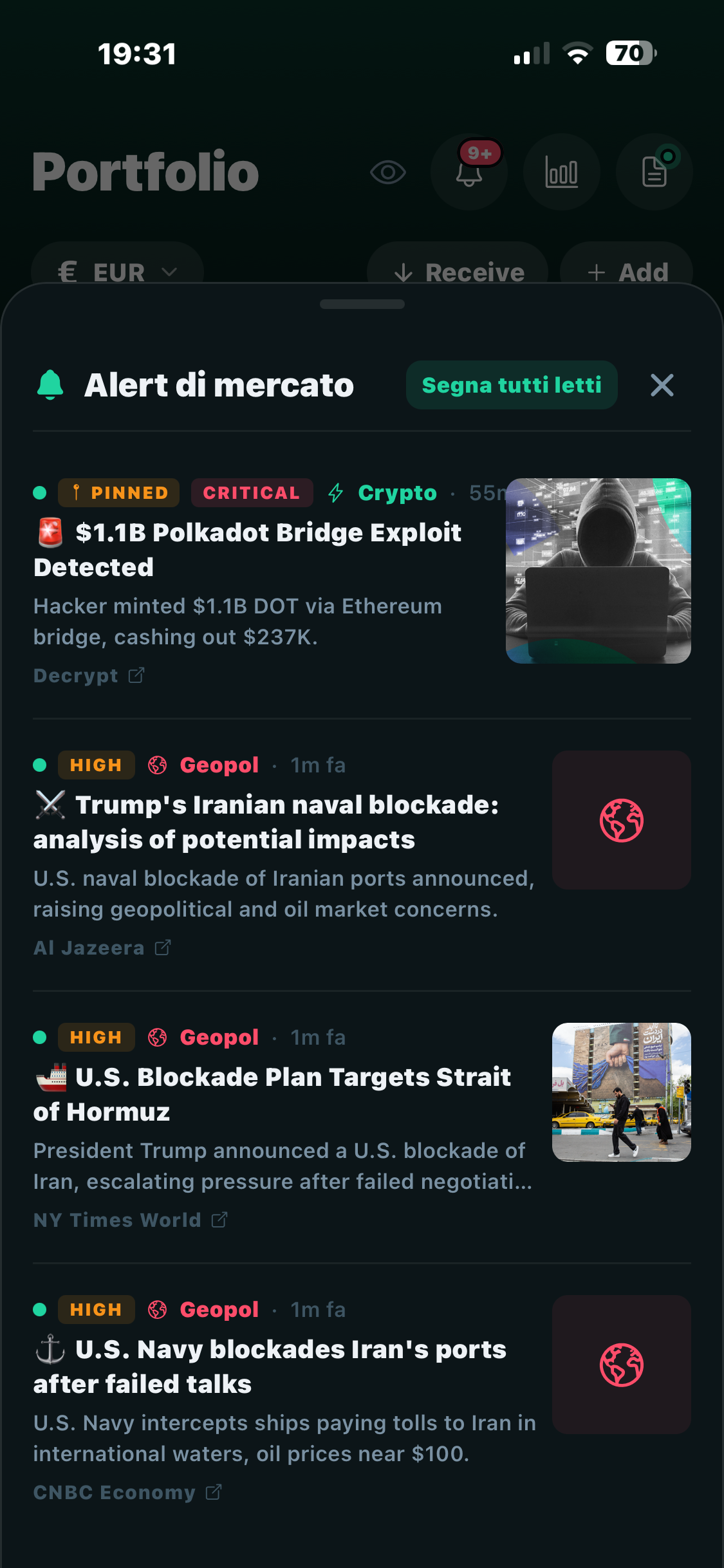
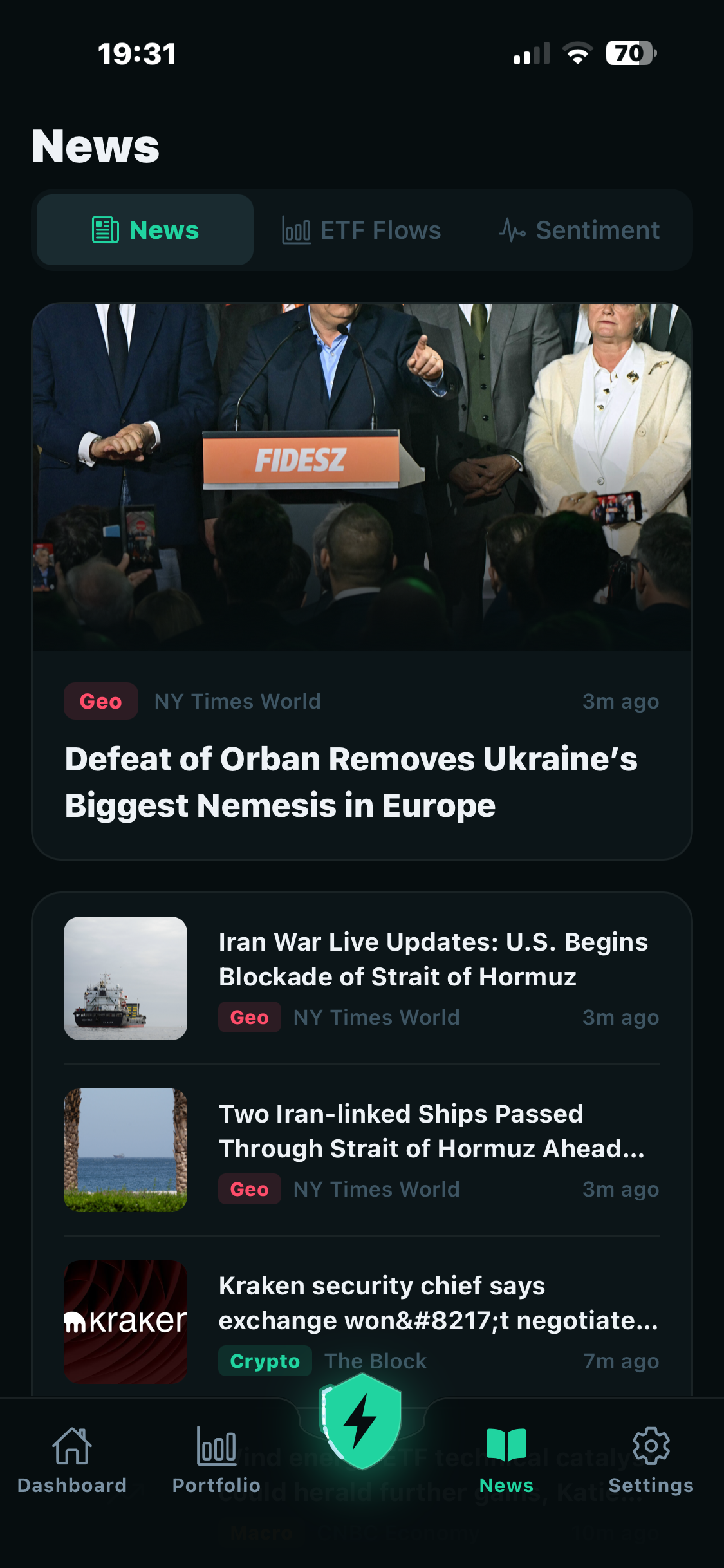
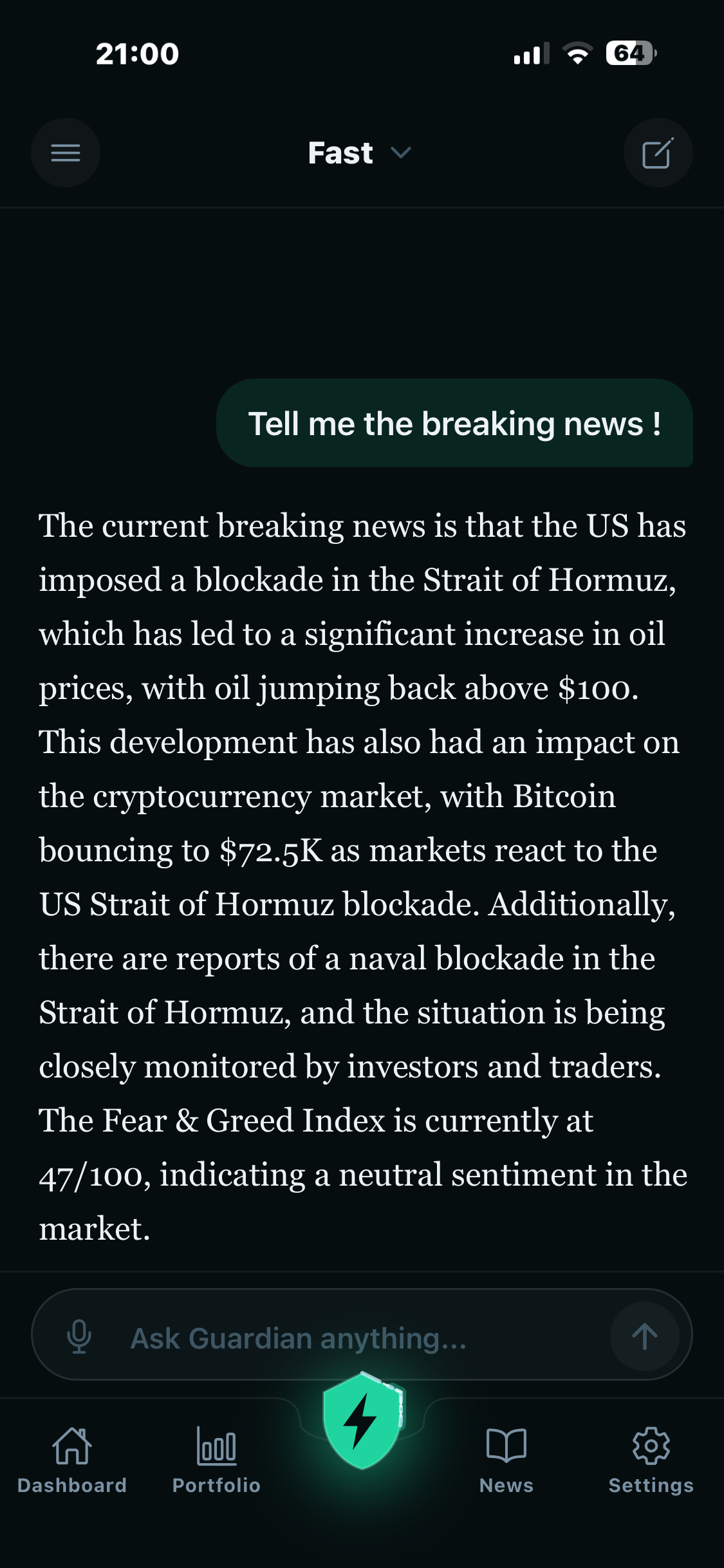
Plus the tracker fundamentals — done right.
BitGuard keeps the tracker fundamentals close to the intelligence layer, so portfolio questions have the context they need.
- Reconcile Wizard Phase 4CDetects discrepancies between tracked sources and on-chain reality. Four user actions: bankrupt, swap-pair, csv-redirect, dismiss. Plus Guardian-resolve for Pro/Elite.
- TransferLink Phase 4BLinks cross-source OUT to IN transfers so cost basis follows the asset instead of resetting when it moves from an exchange to a wallet.
- Backward portfolio chart Phase 4ERebuilds historical portfolio charts from on-chain data, CEX data, CSV, and manual transactions instead of starting from the day you connected a wallet.
- CSV import for any exchangeUse a regional exchange, old export, or source without API support? Drop the CSV. BitGuard parses it and reconciles it against other sources.
The differences that matter.
The core difference is category. Nansen is built for external market research. BitGuard is built for personal portfolio operations.
| Capability | Nansen | BitGuard |
|---|---|---|
| Personal portfolio AI grounded in your holdings | — portfolio context is not the core product | ✓ Guardian AI reads your holdings and live context |
| CEX + wallet + CSV + manual aggregation | — focused on on-chain analytics | ✓ Built for mixed real-world portfolios |
| Mobile-first daily workflow | ⚠ analyst-dashboard workflow | ✓ Daily brief, alerts, and chat on phone |
| Retail affordability | ⚠ professional / institutional positioning | ✓ Free at launch, founder pricing after launch |
| Conversational explanations for actual P&L | — | ✓ Ask about your real positions and movements |
| Smart-money wallet tracking | ✓ Strong on whale and smart-money research | — not our category |
| Wallet labeling at large scale | ✓ Nansen markets a very large labeled-wallet dataset | — not a wallet-label database |
| Institutional on-chain analytics | ✓ Research desk-grade workflows | — personal portfolio workflow |
| Historical entity and flow research | ✓ Deep on-chain history and dashboards | ⚠ portfolio history only |
| Privacy posture for personal holdings | ⚠ depends on research workflow and account use | ✓ no data resale policy, EU-hosted backend |
Different category.
Different buying decision.
Nansen is a research platform for finding market signals outside your portfolio. BitGuard is an operating layer for the portfolio you already own.
Nansen
- Best for: smart-money research, wallet/entity tracking, institutional on-chain analytics
- Strong when you need to study other wallets, sectors, flows, and market behavior at scale
- Not designed primarily as a personal CEX + wallet portfolio companion
- Pricing and plan availability can change; check Nansen directly before buying
BitGuard
- Best for: understanding and monitoring your own crypto portfolio
- Free at launch: Guardian AI + Daily Report + Smart Alerts included
- Founder lifetime: first 500 paid seats lock Pro EUR 9.99/mo or Elite EUR 24.99/mo
- CEX + wallets + CSV + manual transactions in one mobile-first workflow
Using BitGuard alongside Nansen.
This is not a rip-and-replace migration. The clean workflow is to keep Nansen for external research and use BitGuard for your actual portfolio operations.
Frequently asked questions.
Is BitGuard a replacement for Nansen?
No. Nansen is the better tool for smart-money research, wallet labels, whale tracking, and institutional on-chain analytics. BitGuard is for personal portfolio intelligence: your own holdings, your own P&L, your own questions.
What can BitGuard do that Nansen is not focused on?
BitGuard aggregates CEX balances, wallets, CSV imports, and manual entries into a personal portfolio view, then lets Guardian AI answer questions about that real context. It also adds daily briefings, critical alerts, and a mobile-first workflow.
Where does Nansen clearly win?
Wallet labeling at scale, smart-money signals, whale tracking, entity analytics, and historical on-chain research depth. If those are the core of your job, use Nansen.
Can I use both?
Yes. A practical setup is Nansen for external research and BitGuard for your own portfolio operations. One tells you what the market is doing; the other explains what that means for your holdings.
Does BitGuard label hundreds of millions of wallets?
No. BitGuard is not a wallet-labeling database. It focuses on your connected sources and live market context rather than building a large public entity-intelligence graph.
What happens after the 500 founder seats are gone?
Standard pricing applies: Pro EUR 14.99/mo or Elite EUR 39.99/mo. The 500 lifetime seats do not reset, refresh, or reopen. Free launch access is separate from the founder lifetime discount.
What languages does BitGuard support?
Five, natively: Italian, English, Spanish, French, German. The interface, Daily Report, and Guardian AI all switch at the user level.
Is BitGuard available on Android?
iOS at launch in mid-June 2026. Android is on the roadmap for Q3 2026.
Things an institutional research dashboard does not optimize for.
BitGuard is intentionally narrower than Nansen: personal holdings, mobile workflow, clear alerts, and explainable context.
Your wallet addresses and transaction history are never sold, shared, or used to train external models. Not a data brokerage.
Railway EU (Amsterdam). GDPR-native by default, not as a regional adapter. Your data doesn't cross the Atlantic.
Real human at the other end. Not a ticket queue, not an offshore script reader.
Free at launch. Paid post-launch. Either way, zero ads, zero upsell popups, zero "premium locked" overlays inside the app.
Italian, English, Spanish, French, German — interface, Daily Report, and Guardian. Not Google-translated.
Designed with EU regulatory constraints in mind. Guardian's outputs carry a disclaimer; alerts use descriptive language only — no buy/sell prescriptions.
Weekly build log, public roadmap, kill criteria documented. You see what's being built and why.
See section 02 — we list where Nansen wins and where BitGuard wins.
Study the market in Nansen. Run your portfolio in BitGuard.
Guardian AI is grounded in your holdings, live market context, and portfolio movements. Free at launch, no card, no trial countdown.